


Wicker vs Rattan furniture: What is Best for boho-chic style outdoor spaces?
Learn the differences between rattan and wicker furniture to find the best option for your outdoor spaces. Learn about durability, materials, and care tips for boho-chic style and lasting décor.
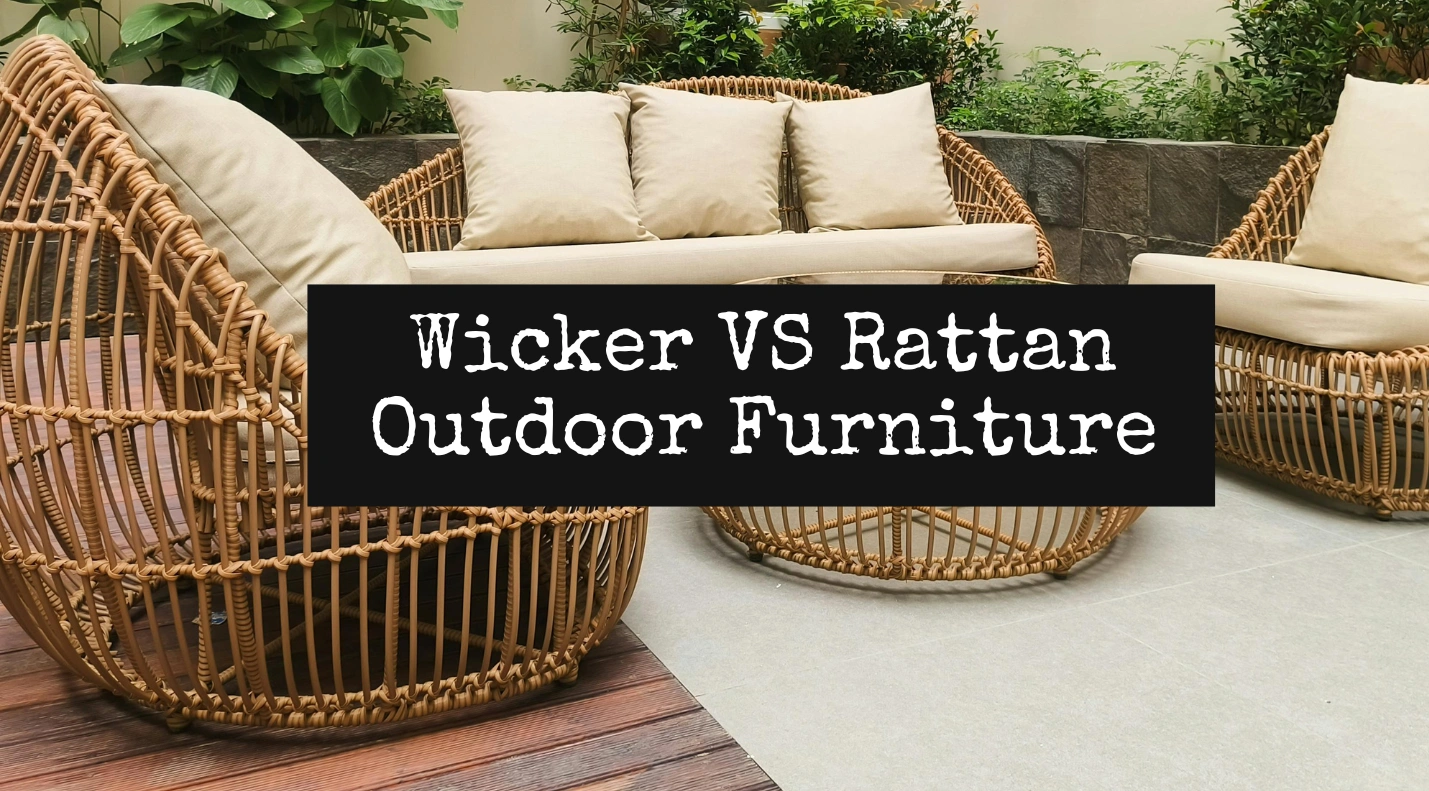
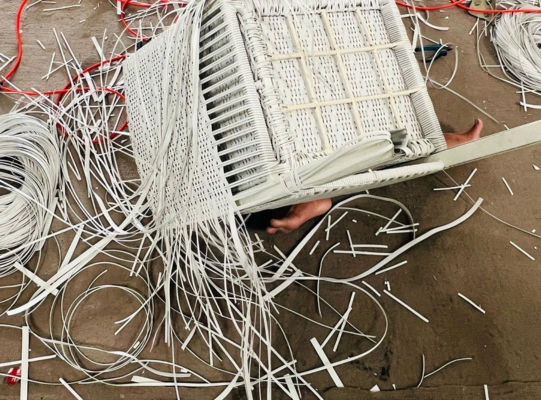
When it comes to aesthetic outdoor furniture, the terms “rattan” and “wicker” are often used interchangeably, but they are not the same thing. While they are related, understanding the difference between rattan and wicker can help you make more informed decisions about which material is right for your project.
Here’s a breakdown of the key differences between rattan and wicker:
What is Rattan?
Rattan is a type of tropical vine that grows in the forests of Southeast Asia and other tropical regions. At Exterio we get our rattan from Indonesia – one of the leading suppliers and manufacturers of Rattan furniture. It’s a strong and durable material that is often used for making furniture, baskets, and other items. Rattan has a smooth, cylindrical appearance, somewhat like bamboo, but unlike bamboo, it is solid rather than hollow. Its flexibility and strength make it ideal for creating woven items.
What is Wicker?
Wicker, on the other hand, refers to the weaving process itself, not a specific material. It involves weaving natural or synthetic materials, such as rattan, bamboo, or willow, into furniture and decorative items. In essence, wicker is a technique used to create woven items, while rattan is one of the materials often used in the wicker weaving process.
Key Differences Between Rattan and Wicker:
- Materials:
- Rattan: Rattan is a natural material obtained from certain palm species in tropical climates. It is often used to create furniture, baskets, and other decorative items.
- Wicker: Wicker refers to the technique of weaving materials such as rattan, bamboo, or even synthetic fibers into furniture and other items. Wicker can be made from a variety of materials, not just rattan.
- Strength and Durability:
- Rattan: Rattan is a solid and sturdy material that is generally stronger and more durable than wicker. It can withstand heavy use and is great for furniture that will be exposed to regular wear and tear.
- Wicker: Wicker is a woven material and is not as strong as solid rattan. While it’s durable, the structure of the weaving can sometimes be more fragile, especially if made with thin or lightweight materials.
- Appearance:
- Rattan: Rattan has a more natural, organic look due to its texture and color. It retains a raw, earthy aesthetic that’s appreciated in natural-style décor making it extreme popular for Boho-chic outdoor spaces , even used in many fashion shoots.
- Wicker: Wicker can have a more uniform appearance depending on the materials used and the weaving technique. It can range from traditional, rustic designs to more modern, sleek finishes.
- Price:
- Rattan: Rattan furniture tends to be more expensive due to its durability and natural appearance.
- Wicker: Wicker furniture can vary in price depending on the materials used and the craftsmanship. Synthetic wicker furniture, for example, may be less expensive than high-quality rattan pieces.
The Rise of Rattan and Wicker
If there’s one thing the 70s gave us, it’s the resurgence of wickerwork and rattan furniture. These materials, once considered old-fashioned, have made a massive comeback in recent years. Many designers attribute this revival to the relaxed, vintage appeal of rattan and wicker. These materials create a warm, inviting atmosphere in any setting, and their versatility has led to new designs that integrate modern aesthetics with traditional craftsmanship.
Synthetic Wicker vs. Natural Rattan
When it comes to choosing the right material for outdoor furniture, there are key differences to consider:
- Natural Rattan: While it has a beautiful, organic look, natural rattan is not suitable for permanent outdoor use. It is best kept indoors or covered when used outside, as it is not highly resistant to the elements.
- Synthetic Wicker: Synthetic wicker, often made from engineered resin like HDPE or all-weather wicker, is designed to withstand outdoor conditions. It mimics the look of natural rattan but is much more durable when exposed to weather.
Which to Use Where?
- Synthetic Wicker: Ideal for outdoor furniture, synthetic wicker can handle rain, sun, and humidity. It’s perfect for patio furniture, garden lounges, and outdoor dining sets.
- Natural Rattan: Best suited for indoor furniture unless it is properly covered. It’s a great material for living rooms, sunrooms, and other interior spaces.
Additionally, the outer skin of the rattan plant, called cane, is often used in weaving and webbing. Cane is flexible and durable, making it a popular choice for creating furniture with intricate designs. It’s often used in oriental-style accents for headboards and cabinet doors.
Wicker and Rattan Care Tips
Maintaining the appearance of your rattan and wicker outdoor furniture is important to ensure longevity especially in city like Dubai, where the harsh sun light along with extended periods of humidity. Here are some general tips:
- Rattan Furniture:
- Avoid leaving rattan furniture in direct sunlight for extended periods, as it may crack or fade.
- If exposed to moisture, rattan can absorb water quickly, so if it’s left outdoors, cover it with a waterproof material.
- Synthetic Wicker:
- Synthetic wicker can withstand outdoor conditions but should be covered when not in use to prolong its life.
- Regularly wipe down your synthetic wicker pieces with a soft, damp cloth, and avoid using pressure washers, which could cause damage.
- Cleaning:
- Use a soft-bristled brush to clean intricate designs or hard-to-reach corners.
- Regular dusting and wiping down with a damp cloth will help maintain the look and feel of your furniture.
Conclusion
In summary, while rattan and wicker are often used interchangeably, they are quite different. Rattan is a natural, durable material used in furniture making, while wicker is the weaving technique used to create woven items from a variety of materials, including rattan. Both materials have their own unique advantages, and the choice between them largely depends on your specific needs and the intended use of the furniture or decor.
Rattan offers a more natural, organic look and is often stronger and more durable than wicker. Wicker, meanwhile, can be crafted from various materials and offers more flexibility in design. Both types of furniture can elevate your commercial outddoor space and, with proper care, will last for many years. Whether you choose rattan for its durability or wicker for its classic, woven aesthetic, both materials have a timeless charm that continues to shine in modern and vintage-inspired interiors.
Do get in touch with us to see our collection of rattan furniture and accessories , it’s a wonderful material that really redenders it self to artistic expression. We also can create custom order using rattan and wicker weaving , so drop by , tell us what materials you like and dimension and we will come up with something. At the very minimum you leave with a very clear understanding of how mailable rattan and it durability for any weather


